

Yes, Valais Blacknose Sheep Are High Maintenance. Here's Why We Wouldn't Have It Any Other Way.

We're going to be straight with you. Fred has more than 50 years of livestock experience. We've raised a lot of different animals over the years. And when people ask us if Valais Blacknose sheep are high maintenance, our honest answer is yes. They are. And they are absolutely worth it.
We don't say that to scare you off. We say it because we respect you enough to tell you the truth before you spend thousands of dollars and find out the hard way.
Where This Breed Comes From Matters More Than Most People Realize
Valais Blacknose sheep are from the Swiss Alps. That's not a fun fact. That's the foundation of everything you need to understand about raising them in the United States.

These sheep were developed in a very specific environment. High altitude. Cool temperatures. A particular climate, a particular landscape, a particular set of conditions that shaped this breed over centuries. And now they're living in Texas, California, Florida, Ohio, and everywhere in between.
That gap between where they came from and where they are now is where most of the challenge lives.
Helping Them Adapt Is the Hardest Part
Fred has worked with livestock the majority of his life. He has a gift for reading an animal, knowing what it needs, and managing it so it reaches its full potential. And he will tell you without hesitation that helping Valais Blacknose sheep adapt to their environment is the most demanding part of raising this breed.
It's not just temperature, though that's a big piece of it. An Ohio winter and a California winter are completely different animals. A hot humid summer in the South presents challenges this breed was never bred to handle. You have to pay attention. You have to adjust. What works on our farm in Northeast Ohio may not work the same way on a farm in Florida or Texas.
Here's what you're managing across the board regardless of where you live:
Temperature and climate adjustment. These sheep need help regulating in heat especially. They are not built for high humidity or extreme summer temperatures. Shade, airflow, and careful monitoring during hot months are non-negotiable.
Nutrition. The nutritional needs of this breed are specific and they vary by region. What the soil produces in Ohio is different from what it produces in California. Mineral deficiencies show up differently depending on where you are. This is not a breed you can put on pasture and walk away from.
Vitamins and minerals. We supplement carefully and consistently. Deficiencies in this breed can show up quickly and have real consequences. This is an area where Fred's experience has been invaluable because he knows what to look for before it becomes a problem.
Parasites. This is a challenge across all sheep breeds in the US but Valais Blacknose are not as hardy against parasites as some breeds that were developed in American conditions. A solid parasite management program is essential, not optional.
Every single one of these factors changes depending on your state, your region, your pasture, and your management style. There is no one size fits all answer. That's part of what makes this breed demanding. You have to be willing to learn, adjust, and pay close attention.
What Surprises New Owners Most
If we had to pick the one thing that catches new Valais Blacknose owners off guard, it's the wool.
People see photos of these sheep and fall in love with how they look. That thick, beautiful, distinctive fleece is part of what makes this breed so remarkable. What they don't fully anticipate is how fast that wool grows and how much work it takes to keep it clean and in good condition.
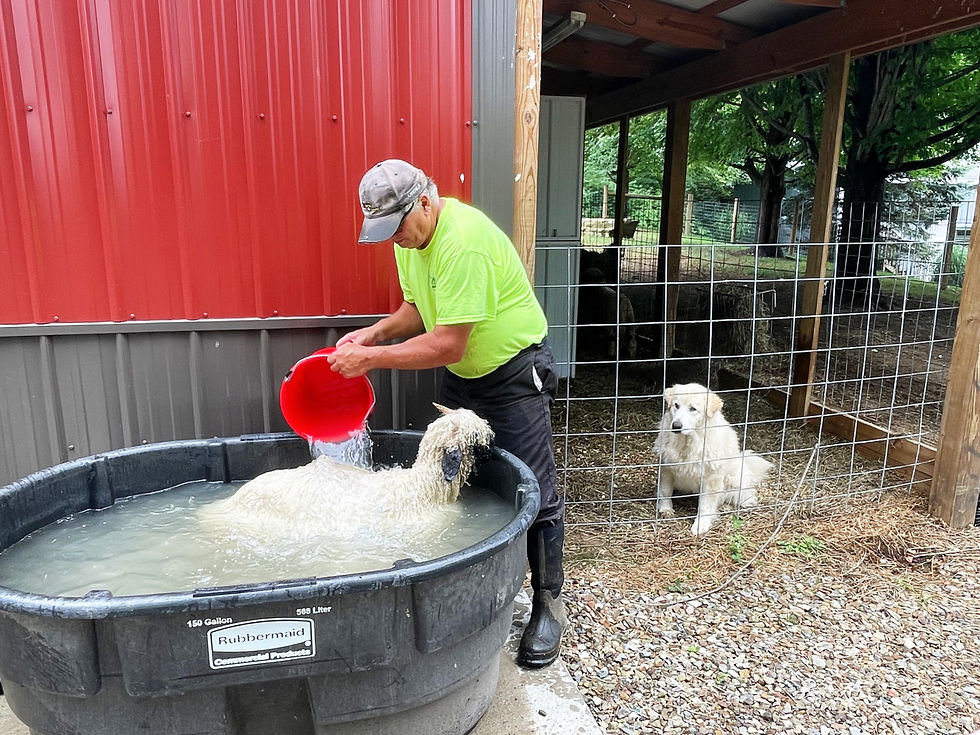
This is not a low maintenance fleece. It picks up debris, it mats, it requires regular attention. Keeping a Valais Blacknose looking the way this breed is supposed to look takes consistent effort. If you're not prepared for that, it can catch you off guard quickly.
So Why Do We Do It?
Because when you get it right, there is nothing quite like this breed.
The temperament, the presence, the genetics, the connection these animals form with the people who care for them. For all the time Fred has worked with livestock, he genuinely loves this breed. That says something.
What This Means If You're Thinking About Buying
We want you to go into this with your eyes open. Here's what we'd want you to honestly ask yourself before you purchase a Valais Blacknose sheep:
Do you have the time to learn what this breed specifically needs in your region?
Are you prepared to work with a vet who understands sheep and is willing to learn this breed alongside you?
Do you have proper shelter, shade, and space?
Are you financially prepared not just for the purchase price but for the ongoing cost of quality feed, minerals, supplements, and veterinary care?
If the answer to those questions is yes, you are going to love this breed. We promise you that.
If you're not quite there yet, that's okay too. The best thing you can do is keep learning, connect with breeders who will be honest with you, and make sure you're ready before you bring one home.
We'd rather have that conversation with you now than have you struggle later. That's just how we operate.
A Note on Breeders and Support
Not every breeder will tell you this breed is high maintenance. Some will tell you whatever makes the sale easier. We'd encourage you to ask hard questions of anyone you're considering buying from. Ask them what challenges they've faced. Ask them what they've learned. Ask them what they'd do differently.
The breeders who are honest about the hard parts are the ones who actually know what they're doing. All the years of livestock experience has taught us that much.
If you have questions about whether this breed is right for your situation, reach out. We're happy to have an honest conversation. That's the only kind we know how to have.


Comments